How long does it really take? 5 physiques, and how to train and eat for each
From lean-and-toned to a classic bodybuilder build — five realistic physique goals, with how to train, how to eat, and how many years each one honestly takes.

Everyone wants the same two answers: what do I actually have to do — and how long until I look like that. The honest version is that it depends on your genetics, your starting point, your age, your sleep, and above all how consistent you are. But "it depends" is a cop-out, so here are five physiques people commonly train for, each with a realistic timeframe, how to train for it, and how to eat for it.
Two honest caveats before the pictures. First, these timeframes assume you're training properly and consistently, eating to match, and not using anabolic steroids — the very lean, heavily muscled look you see online is often chemically assisted, and chasing it naturally on someone else's timeline is how people end up frustrated. Second, "how long" here means clearly reaching the look — not your first visible change, which shows up in weeks, not years.
Five physiques, and what each one really takes
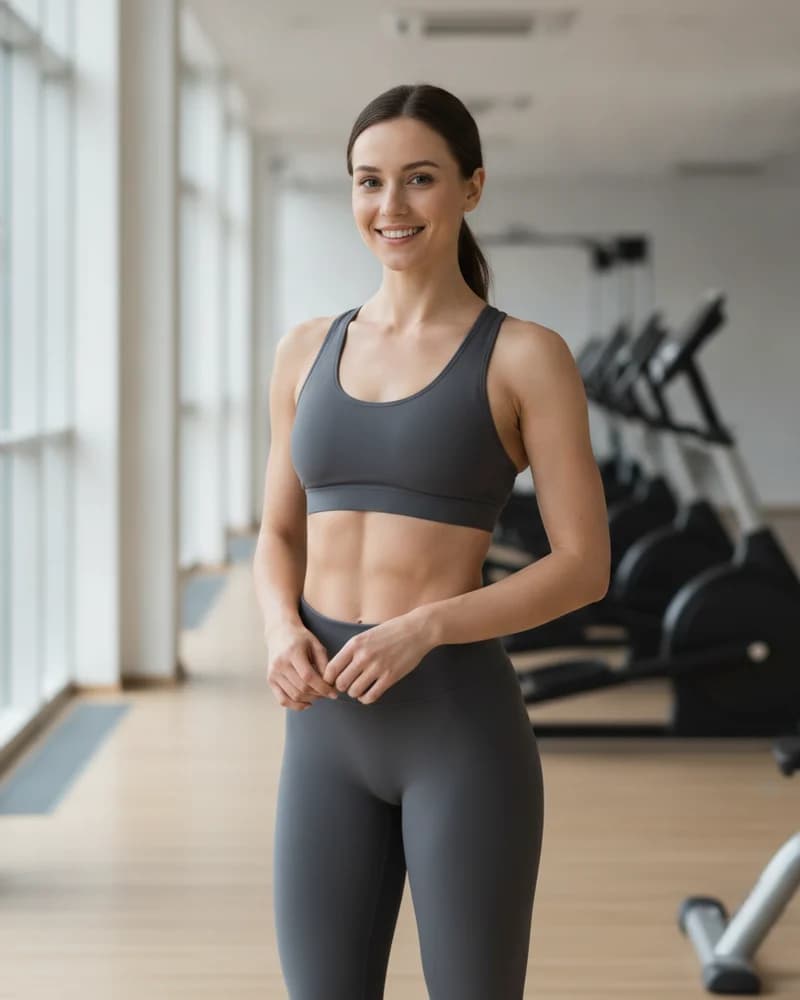
Lean and toned
Visibly fit and healthy — flat stomach, a bit of shape and tone. The “in good shape” look most people actually picture when they say they want to get fit. Not big, just lean and put-together.
- How long
- 4–9 months
- How to train
- Full-body strength two or three times a week, built on a handful of compound movements you slowly add weight or reps to, plus some walking or easy cardio. You don't need a complicated split — you need to keep showing up and getting a little stronger.
- How to eat
- Eat at roughly maintenance or a slight calorie deficit, get enough protein (around 1.6 g per kg of bodyweight), and build meals from mostly whole foods. No extreme diet — the tone comes from a little muscle plus losing a layer of fat.
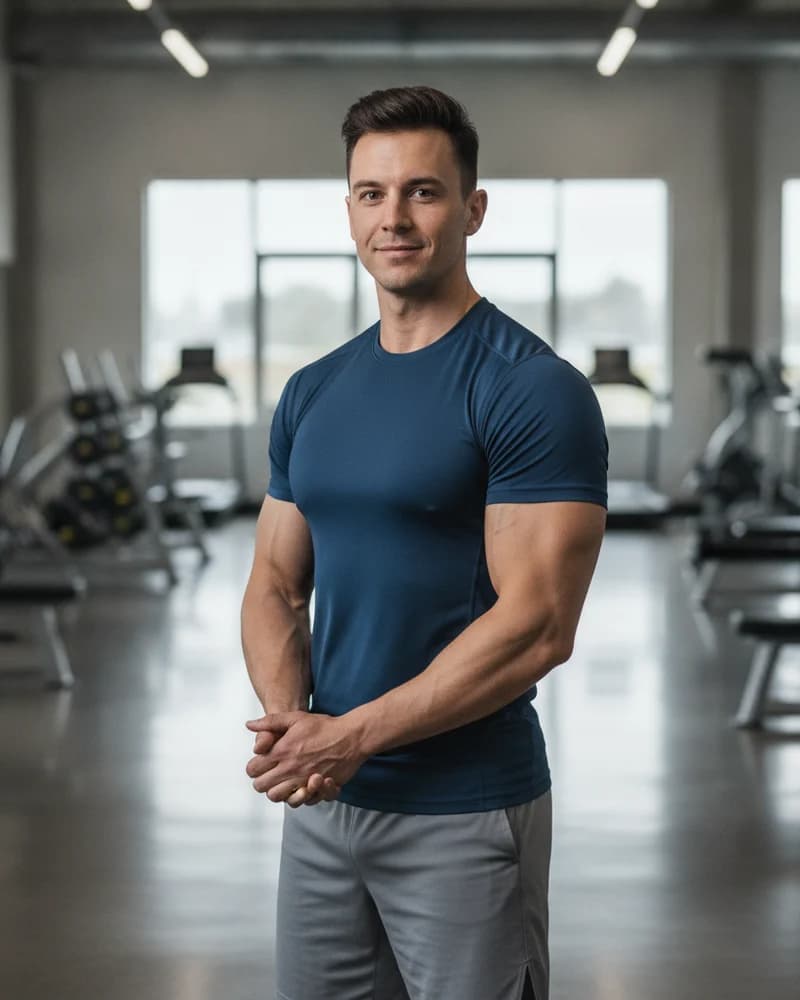
Athletic and defined
Clearly trained — defined arms and shoulders, a V-taper starting to show, the build of someone who plays a sport or lifts seriously. Muscle you can see with a shirt on.
- How long
- 1.5–3 years
- How to train
- Four structured sessions a week — an upper/lower or push-pull-legs split — with real progressive overload on the main lifts, plus conditioning once or twice a week. Here, consistent programming starts to matter more than how hard any single session feels.
- How to eat
- Protein around 1.8–2.2 g per kg, with calories that follow the goal: a slight surplus while you add muscle, a slight deficit when you want the definition to show. Cycle between the two over months rather than trying to do both at once.
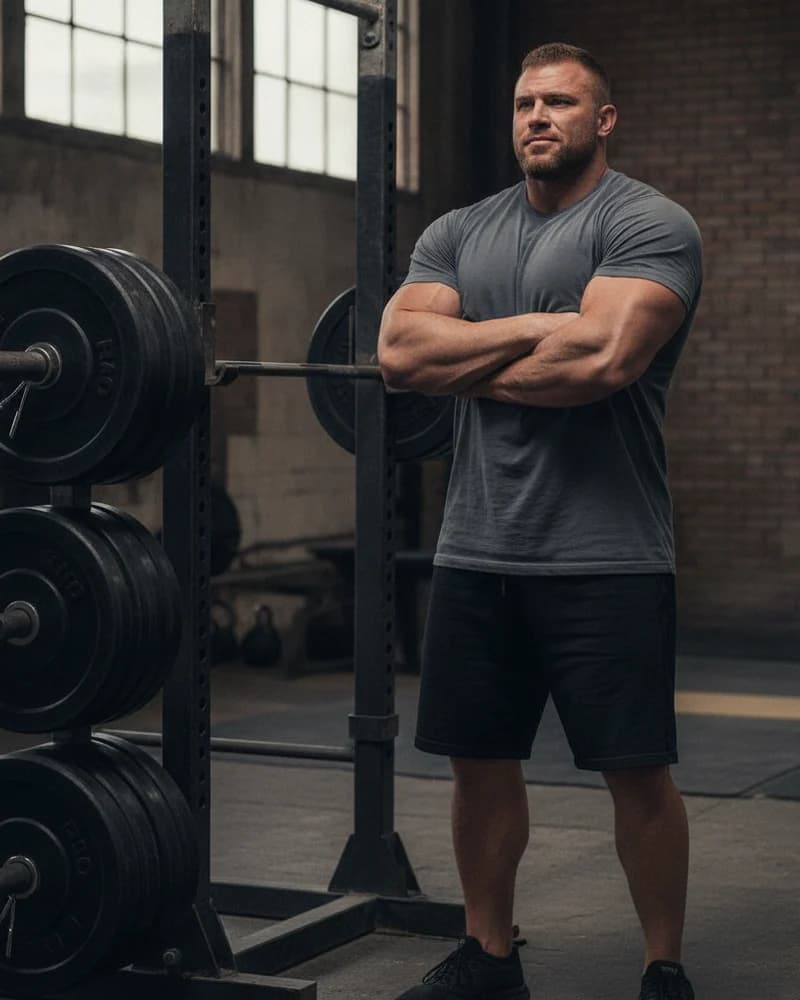
The powerful, strong build
Thick and powerful — a big back and legs, dense muscle, obvious strength. Built to move heavy weight rather than to be lean. Strong over shredded.
- How long
- 2–4 years to look it; a decade to elite strength
- How to train
- Heavy compound lifts — squat, bench, deadlift, overhead press — in lower rep ranges, with long rests and plenty of recovery, plus some hypertrophy accessory work. Strength is a long game; the program is patient and progressive.
- How to eat
- Eat to perform and recover: a calorie surplus, high protein, and enough carbs to fuel heavy sessions. Leanness takes a back seat to strength and size here, by design.
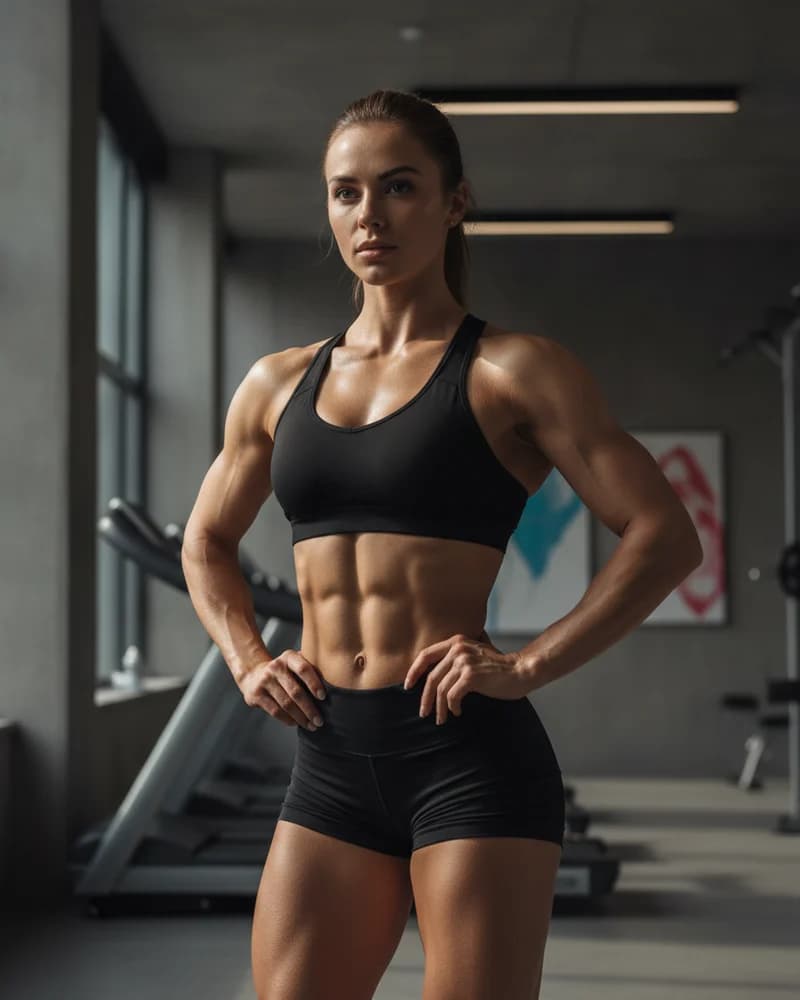
The lean “action-hero” look
Dry and sharp — low body fat, visible abs, clear separation between muscles. The shirtless-movie-scene or fitness-cover look. It's striking, and it's harder to hold than it is to reach.
- How long
- 3–4+ years, then a hard cut
- How to train
- First build a few years of real muscle with hypertrophy training, paying extra attention to shoulders, back and arms — that's what creates the shape. Then run a disciplined 12–20 week fat-loss phase to bring body fat down into the single digits or low teens, where the detail finally shows.
- How to eat
- This is the one that demands precision: high protein, calories tracked, and a genuine cut to get lean. Be honest with yourself that this leanness is a photo-day condition for most people, not a year-round one — and that the version you admire online is frequently chemically assisted.
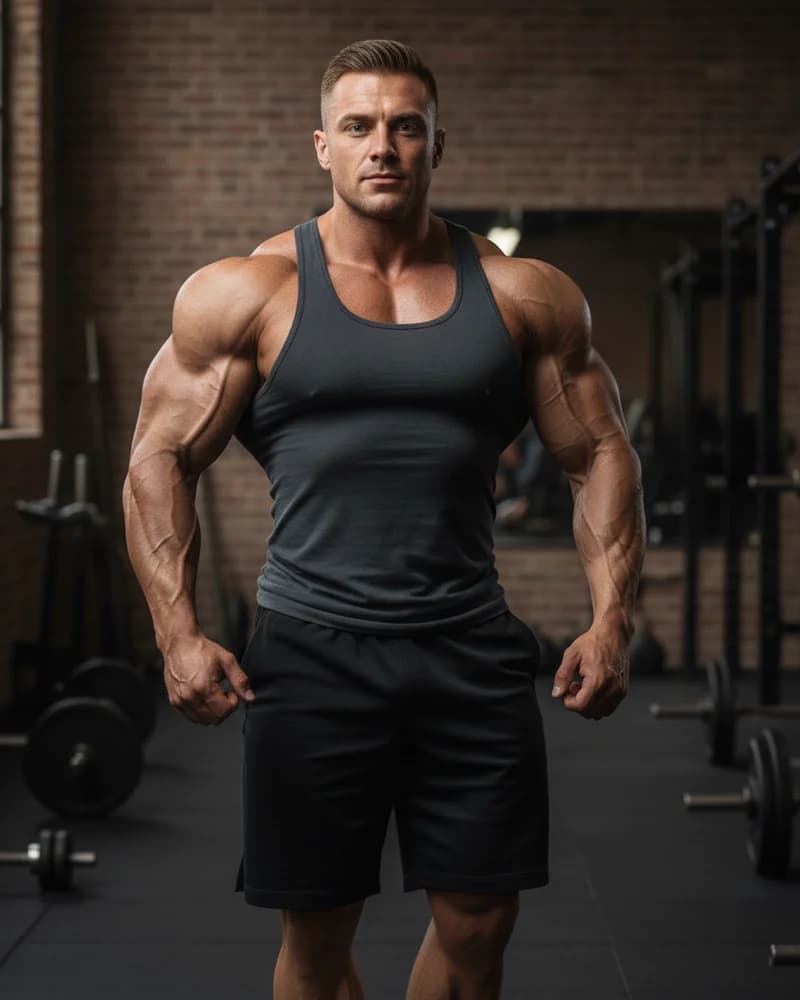
The classic bodybuilder
Big and full — developed muscle, wide shoulders over a small waist, the “built” look people picture when they hear bodybuilder. Golden-era proportion, not stage-shredded.
- How long
- 4–6+ years
- How to train
- Years of higher-volume hypertrophy on a body-part or upper/lower split, progressive overload week to week, and deliberate work on whatever lags behind. Recovery — sleep and rest days — becomes part of the training, not an afterthought.
- How to eat
- Real food, and a lot of it. A controlled calorie surplus during growth phases with protein at 2 g per kg or more, then structured cuts to reveal what you built. You can't out-train under-eating at this size.
The part nobody can shortcut
Notice what every one of these shares: progressive overload — gradually doing a little more over time — enough protein, enough recovery, and years of consistency. The physique is downstream of the habit. The differences above are mostly about emphasis and how long you stay the course, not secret methods.
That's exactly what a coach is for: choosing the right training for the look you're after, ramping it sensibly, and keeping you honest about the timeline so you don't quit three months into a three-year goal. Tell your coach which of these you want, preview your first weeks before you commit, and start building it.